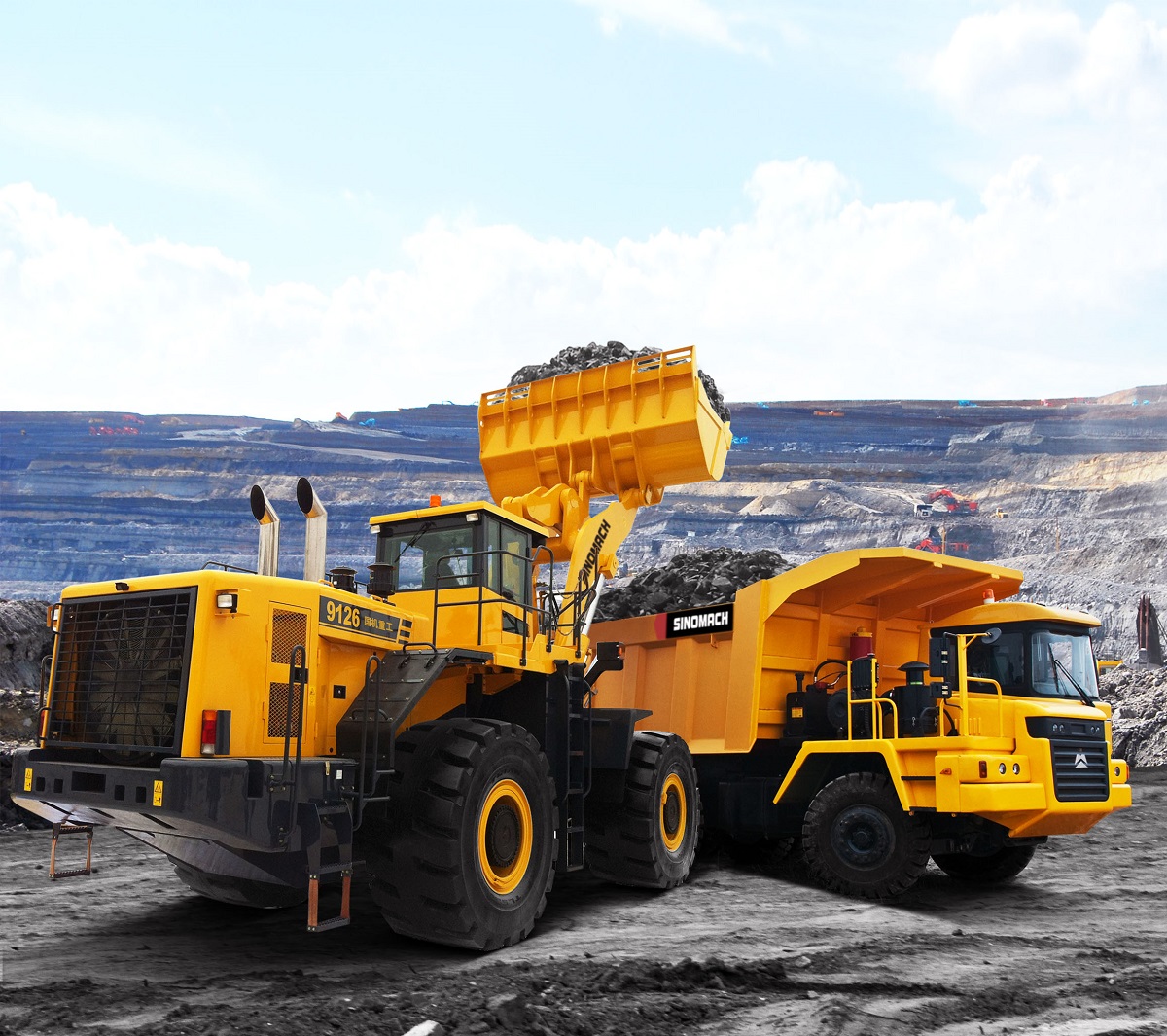
Understanding Loaders and Their Importance in the Philippines
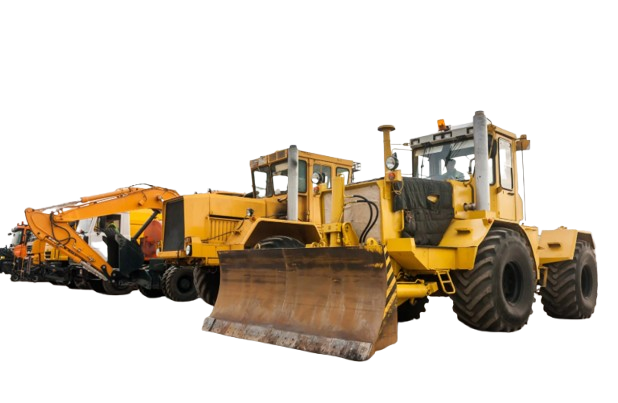
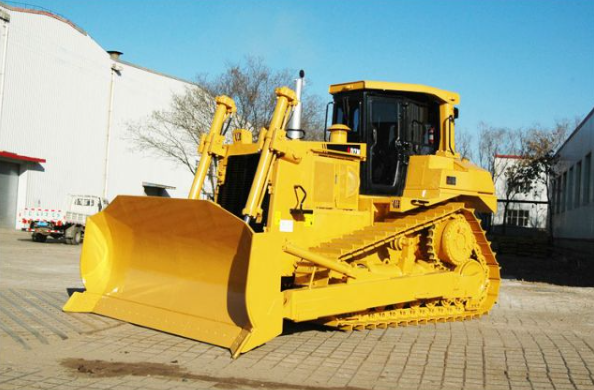
Loaders are essential pieces of heavy machinery used in construction, mining, agriculture, and industrial operations. They are designed to move materials such as soil, gravel, sand, and debris efficiently. In the Philippines, where infrastructure development and urban projects are rapidly growing, having the right loader is crucial for timely and cost-effective project completion. Different types of loaders include wheel loaders, skid steer loaders, and compact loaders, each serving unique operational purposes. Wheel loaders are ideal for large-scale material handling, while skid steer loaders are preferred for smaller or tight spaces. Compact loaders offer versatility for projects in urban areas or limited-access sites. Partnering with a reliable loader supplier in the Philippines ensures access to the right machinery that matches both project size and operational requirements.
Factors to Consider When Selecting a Loader Supplier
Choosing the right supplier can significantly affect the efficiency and longevity of your equipment. Reputation in the Philippine market is a critical factor, as suppliers with a strong track record are more likely to provide dependable products and support. The range of brands and models available is also essential, allowing businesses to select loaders that fit specific operational needs. Suppliers may offer new or refurbished machines, and understanding the differences in cost, performance, and lifespan is vital. Warranty coverage and after-sales service are important considerations, as they protect your investment from unforeseen breakdowns. Parts availability ensures that routine maintenance and repairs can be performed quickly, reducing downtime. Finally, delivery and logistics capabilities across the Philippines are important, especially for businesses operating outside major urban centers.
Popular Loader Brands Available in the Philippines
Several international brands dominate the Philippine loader market, providing a variety of options for businesses. Caterpillar loaders are known for durability and advanced engineering, making them ideal for heavy-duty construction and mining tasks. Komatsu offers models that excel in fuel efficiency and productivity, suitable for large-scale industrial projects. Volvo loaders provide operator comfort and advanced safety features, which is crucial for long hours on-site. Other brands also cater to specialized applications, such as compact loaders for urban development and skid steer loaders for landscaping or small-scale projects. Understanding the strengths and limitations of each brand helps companies select the most suitable equipment for their operations. Matching the loader model to specific industry needs ensures optimal performance, cost-efficiency, and safety. Consulting with a reliable loader supplier in the Philippines can provide insights on which brand aligns best with your business requirements.
Understanding Pricing and Financing Options
Pricing for loaders in the Philippines varies widely depending on the type, brand, and condition of the equipment. Wheel loaders generally command higher prices than compact or skid steer loaders due to their larger size and higher load capacity. Refurbished loaders are often more affordable but may come with limited warranties and shorter operational lifespans. Many suppliers provide flexible financing options, allowing businesses to lease or purchase equipment with manageable monthly payments. Leasing is particularly attractive for companies with temporary projects or seasonal workloads. Banks and supplier financing programs offer tailored solutions to suit different budget sizes and operational needs. When evaluating costs, it’s important to consider not only the initial purchase price but also long-term operational costs, fuel consumption, maintenance, and potential downtime. Balancing upfront costs with operational efficiency ensures the best return on investment.
Maintenance and Support Services Provided by Loader Suppliers
Regular maintenance is essential for maximizing the lifespan and performance of any loader. Reputable suppliers in the Philippines often provide preventive maintenance programs, which include regular inspections, oil changes, and component checks. Some suppliers offer operator training to ensure machines are handled safely and efficiently, reducing the risk of damage or accidents. On-site repair services allow businesses to quickly address equipment malfunctions without halting operations. Access to genuine spare parts ensures that replacements maintain performance standards and reliability. Additional support services may include emergency repairs, technical consultations, and equipment diagnostics. Choosing a loader supplier that offers comprehensive maintenance and support services minimizes downtime and maximizes operational productivity. Reliable post-sale support demonstrates the supplier’s commitment to your business beyond the initial sale.
How to Evaluate Supplier Reliability and Trustworthiness
Reliability is a key factor when selecting a loader supplier in the Philippines. Checking for supplier certifications, licenses, and compliance with local regulations helps ensure legitimacy. Customer reviews and industry recommendations provide real-world insight into a supplier’s performance and reliability. Visiting the supplier’s facility or inspecting demonstration units allows you to verify the quality of machines firsthand. Consider whether the supplier emphasizes long-term partnerships rather than one-time sales, as this indicates a commitment to ongoing support and service. Transparency in pricing, financing, and warranty terms reflects the supplier’s professionalism and reliability. Engaging with multiple suppliers and comparing their offerings ensures you make an informed choice. A trustworthy supplier not only provides machines but also serves as a partner in achieving operational success.
Industry Trends and Technological Innovations in Loaders
The loader industry in the Philippines has seen rapid technological advancements that influence supplier selection. Eco-friendly and fuel-efficient loaders are increasingly popular due to environmental regulations and rising fuel costs. Smart loaders equipped with telematics allow real-time monitoring of machine performance, maintenance schedules, and operator productivity. Compact and multi-purpose loaders are gaining traction in urban projects where space is limited but operational versatility is required. Automation and enhanced safety features reduce operator fatigue and minimize workplace accidents. Some suppliers also provide integrated solutions, including fleet management software and maintenance tracking systems. Understanding these trends enables businesses to select a loader supplier in the Philippines who offers modern, innovative solutions that improve efficiency and reduce operational costs. Staying updated with industry advancements ensures that your equipment investment remains relevant and competitive.
Frequently Asked Questions (FAQ)
Q1: What is the average lifespan of a loader in the Philippines?
Loaders typically last between 8 to 15 years depending on usage, maintenance, and operating conditions. Proper care and routine servicing can extend their lifespan significantly.
Q2: Can a loader supplier provide operator training?
Yes, many reputable suppliers offer training programs to ensure operators handle the machinery safely and efficiently, which also reduces maintenance issues.
Q3: Are there warranty options for used or refurbished loaders?
Some suppliers provide limited warranties for refurbished machines, covering major components and operational reliability for a specific period.
Q4: How long does delivery take from supplier to construction site?
Delivery timelines vary based on location, loader availability, and supplier logistics. Urban areas typically have faster delivery times compared to remote sites.
Q5: What safety standards should Philippine loaders comply with?
Loaders should comply with Occupational Safety and Health standards, manufacturer safety guidelines, and local government regulations regarding heavy machinery operation.
Takeaway
Selecting the right loader supplier in the Philippines is more than just purchasing equipment; it is about securing a partner who can provide reliable machines, comprehensive support, and industry expertise. From understanding loader types and brands to evaluating pricing, financing, and maintenance services, careful consideration ensures operational efficiency and long-term cost savings. Modern technological innovations, eco-friendly machines, and smart monitoring systems add additional value for businesses looking to stay competitive. Choosing a reputable supplier with proven reliability, industry knowledge, and strong post-sale support ensures that your investment continues to deliver maximum productivity over time. Businesses that align themselves with the right loader supplier in the Philippines gain a strategic advantage in their construction, mining, and industrial operations.